
How do you find a hidden water leak?
To find a hidden water leak, turn off every faucet and water-using appliance, then watch your water meter. If the dial or low-flow indicator keeps moving, water is escaping somewhere. Then rule out toilets, faucets and irrigation, and use the house shutoff valve to tell a leak inside the house from one in the yard.
You don't need special tools for the first round of checks. You need about 30 minutes, access to your water meter, and a little patience. The EPA estimates that leaks in the average home waste nearly 10,000 gallons of water a year, and most of that comes from leaks that are easy to fix once found (EPA WaterSense).
Step 1: Do the water meter test
- Find your meter. In most Cibolo neighborhoods it's in a covered box near the curb or property line.
- Turn everything off. Faucets, showers, the dishwasher, washing machine, ice maker, water softener regeneration and the sprinkler system.
- Look at the low-flow indicator. Many meters have a small triangle or star that spins with even tiny flow.
- Write down the reading, wait one to two hours without using water, then check again.
If the indicator spins or the reading changes, you have a leak. If it doesn't, your leak may be intermittent (like a toilet that runs now and then), or the problem may not be a leak at all.
Step 2: Check your daily use online
If you're a City of Cibolo water customer, the city offers My Water Advisor, an online tool and app for tracking your daily water use and sprinkler activity. Look at overnight hours: in a home with no leaks, use should drop close to zero when everyone is asleep. A flat line that never reaches zero is a strong sign of a constant leak.
Step 3: Rule out the usual suspects
- Toilets. Put a few drops of food coloring in the tank and wait 15 minutes without flushing. Color in the bowl means the flapper is leaking. More in our toilet leak detection page.
- Faucets and showerheads. Look for drips and listen for a hiss.
- Water heater. Check the base and the relief valve's discharge pipe for water.
- Water softener. A stuck valve can send water down the drain continuously.
- Irrigation. Check heads and valve boxes for wet spots or water that runs after the cycle ends.
Step 4: Inside the house or in the yard?
Close the main shutoff valve where the water line enters the house, then look at the meter again.
| What the meter does | What it likely means |
|---|---|
| Keeps moving with the house valve closed | Leak in the yard service line. See water line leak detection. |
| Stops when the house valve is closed | Leak inside the house, possibly in walls or under the slab. |
| Never moved in the first place | No constant leak. Look at intermittent leaks or a change in usage. |
Step 5: Look and listen for clues
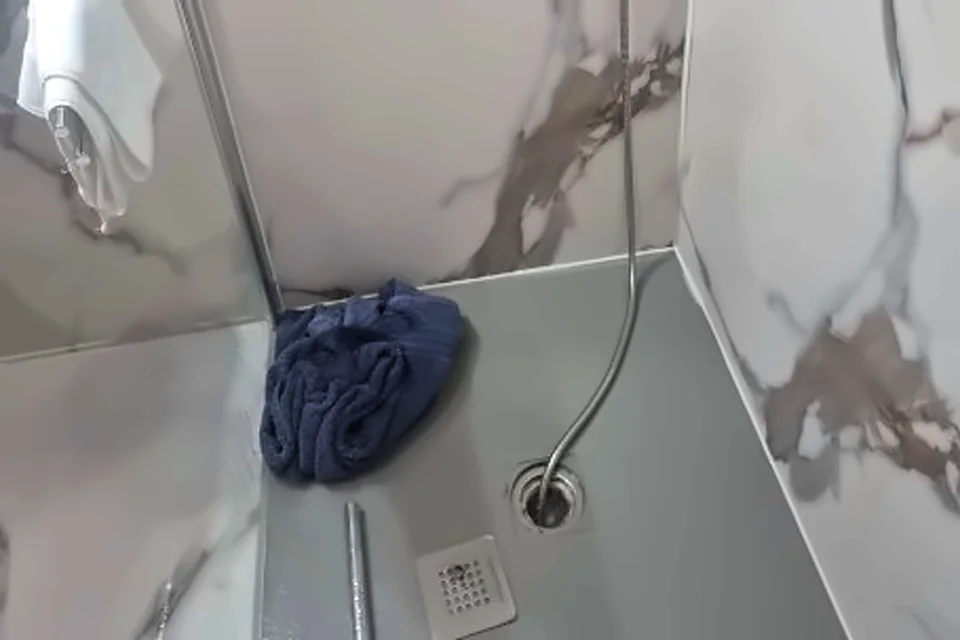
- A warm spot on the floor, often in a kitchen or bathroom, suggests a hot-water slab leak.
- Running water sounds in walls with everything off.
- Stains, bubbling paint or soft drywall.
- Musty smells in closets or behind cabinets.
- A soggy patch or extra-green strip in the lawn.
When to call a professional
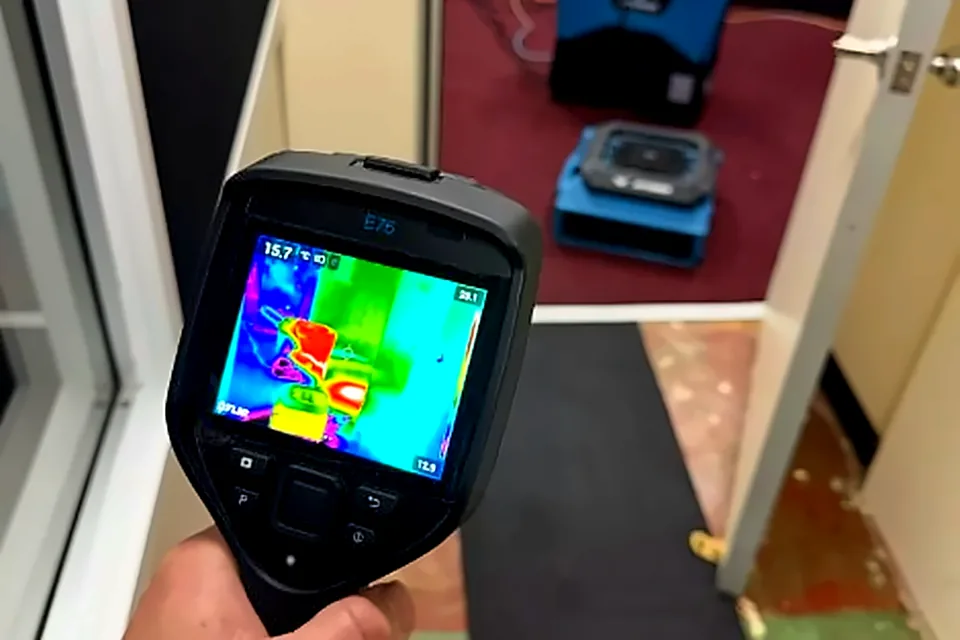
Call for professional leak detection when the meter test shows a leak you can't find, when you suspect a slab or yard leak, or when you see water damage. Professionals use acoustic listening, pressure testing and thermal imaging to pinpoint leaks without tearing up floors or digging up the yard. Don't start breaking concrete or digging on a guess.
Keep a simple leak log
Write down the meter reading, the time and what you turned off. Do it again an hour later. Two readings with nothing running give a pro hard numbers to work from, and they help with an insurance claim or a city leak adjustment. Bring the log when you call for leak detection in Cibolo, TX.